Indigenous Communities Nonprofits in New Mexico
17 organizations statewide
Tribal organizations, language preservation, sovereignty
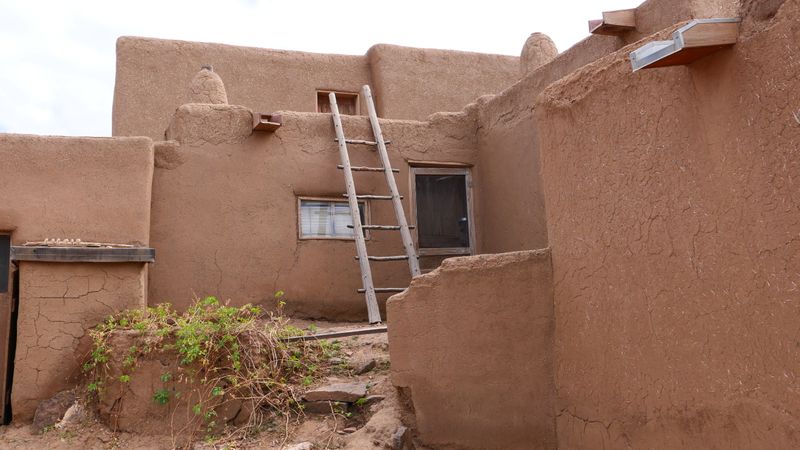
New Mexico is home to 23 federally recognized tribes, pueblos, and nations, more than any state except Alaska. These include the 19 Pueblos of the Rio Grande region and western New Mexico, the Navajo Nation (whose New Mexico lands are the eastern portion of the largest tribal nation in the United States), and the Jicarilla Apache Nation, Mescalero Apache Tribe, and Fort Sill Apache Tribe. Each nation maintains its own government, cultural practices, and legal status, and the nonprofit organizations that serve these communities reflect this extraordinary diversity.
Indigenous-led nonprofits in New Mexico work on a wide range of issues including language revitalization, cultural preservation, food sovereignty, environmental justice, health, education, and economic development. Organizations like Tewa Women United work at the intersection of Indigenous feminism, environmental justice, and cultural revitalization. Pueblo Action Alliance advocates for Pueblo environmental and cultural rights. The Institute of American Indian Arts supports Indigenous artists and provides higher education in the arts. The All Pueblo Council of Governors coordinates advocacy on issues of common concern to the 19 Pueblos.
Language revitalization is among the most urgent priorities in the sector. Most Pueblo languages, as well as Navajo and the Apache languages, are endangered, with fewer fluent speakers each decade. Nonprofits and tribal programs work to document languages, create educational materials, train teachers, and support immersion programs that can transmit languages to new generations before the last fluent speakers are lost.
Indigenous food sovereignty is another critical area of work. Traditional food crops including corn, beans, squash, chiles, and dozens of less-known cultivars are maintained through seed-saving programs and traditional farming practices that are threatened by water scarcity, changing climate conditions, and the displacement of traditional livelihoods. Pueblo communities along the Rio Grande maintain acequia systems that are among the oldest continuously managed water systems in North America.
The education nonprofit sector in Indigenous communities addresses both the underfunding of Bureau of Indian Education schools on tribal lands and the need for culturally grounded curriculum and instruction in public schools with significant Indigenous enrollment. Organizations like Native American Community Academy in Albuquerque provide an alternative model: a public charter school explicitly designed to serve the city's urban Indigenous student population with culturally responsive programming.
Nonprofits working in and with Indigenous communities in New Mexico must navigate questions of sovereignty, self-determination, and cultural sensitivity carefully. The most effective organizations are those led by and accountable to the communities they serve, and the trend toward Indigenous-led philanthropy and tribal self-determination in funding is reshaping how resources flow to these communities. The First Nations Development Institute and NDN Collective are national organizations that support this shift.
Browse by Region
Northern New Mexico
4 organizations
Santa Fe, Taos, Los Alamos, Española, Raton
→
Northwestern / Western NM
3 organizations
Farmington, Gallup, Grants, Four Corners communities
→
Central New Mexico
10 organizations
Albuquerque, Rio Rancho, Bernalillo, Los Lunas
→
Southern New Mexico
0 organizations
Las Cruces, Silver City, Alamogordo, Socorro
→
Eastern New Mexico
0 organizations
Roswell, Clovis, Carlsbad, Hobbs, Tucumcari
→Recommended Reading