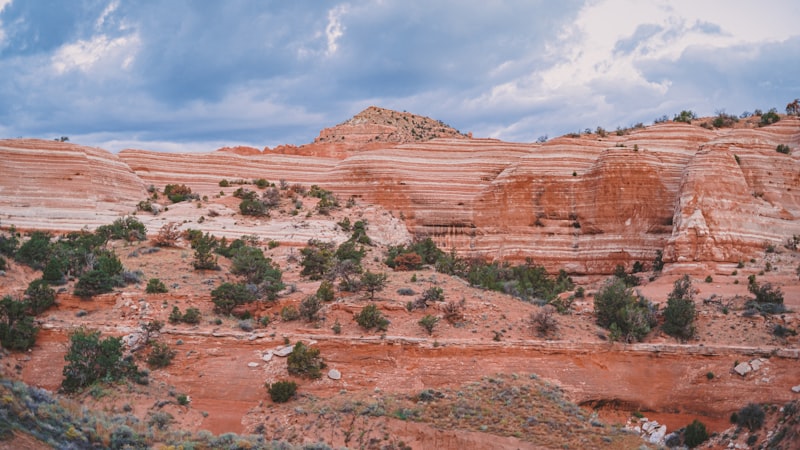
Nonprofits in Four Corners
25 organizations across 5 communities
New Mexico's Four Corners region encompasses the northwestern corner of the state, where New Mexico, Arizona, Colorado, and Utah meet. The region is defined by the Navajo Nation, the largest tribal nation in the United States, and by the agricultural and energy economy of the San Juan Basin. Farmington and Gallup are the two largest cities in the region, serving as commercial and service hubs for a large, predominantly rural population that includes both the cities' own diverse residents and the many Navajo and Pueblo community members who travel to the cities for work, shopping, healthcare, and education.
The Navajo Nation spans more than 27,000 square miles across New Mexico, Arizona, and Utah, with a population of more than 170,000 people. The Nation has its own tribal government, court system, schools, healthcare facilities, and a growing nonprofit sector. Nonprofit organizations working in the Four Corners region often work in close coordination with Navajo Nation tribal departments and chapters, and the most effective organizations are those that center Diné community priorities and leadership.
Gallup, located on the southern border of the Navajo Nation and home to a large Indigenous population, has developed a distinctive network of organizations addressing the city's complex social challenges. Gallup has one of the highest rates of alcohol-related mortality in the country, a consequence of the state's liquor license laws that long prevented alcohol sales on tribal lands while concentrating bars and liquor stores in border towns. Organizations focused on substance use recovery, homelessness, and community health have worked for decades to address these challenges while broader policy debates continue.
Farmington, the largest city in the Four Corners and the hub of the San Juan Basin energy economy, has a nonprofit sector shaped by its role as a service center for a large regional population and by the economic volatility of the oil, gas, and coal industries that have historically dominated the local economy. As the energy transition reshapes the region's economy, organizations focused on workforce development and economic diversification have become increasingly important.
The Jicarilla Apache Nation, located in the mountains of northern Rio Arriba County at the eastern edge of the Four Corners region, has developed tribal institutions and nonprofit organizations focused on cultural preservation, natural resource management, and community wellbeing. The Jicarilla Apache Nation's tribal enterprises, including the Jicarilla Apache Nation Oil and Gas Department and the Jicarilla Apache Lodge, generate revenue that supports tribal programs and services.
Access to services in the Four Corners region is complicated by distance, infrastructure limitations, and the intersection of tribal, state, and federal jurisdictions. Many residents travel hundreds of miles round-trip for healthcare, legal services, or specialized social services. Telemedicine, mobile services, and community health workers have become important strategies for nonprofits trying to reach communities across the region's vast geography.